

Life sciences manufacturing is changing quickly. Devices are getting smaller, product lines are getting more specialized, and regulators expect more documentation at every step. For medical device OEMs, orthopedic innovators, and drug delivery companies, these shifts affect how products get made and what they need from a medical device contract manufacturing partner.
Here are five trends we’re seeing across medical contract manufacturing, and what they mean for companies developing the next generation of medical products.
TL;DR: Automation, micro molding, high mix low volume manufacturing, integrated services, and tighter FDA quality rules are reshaping life sciences manufacturing. OEMs increasingly need one medical device contract manufacturer that can deliver precision, flexibility, and documented quality.
1. Automation and Smart Manufacturing
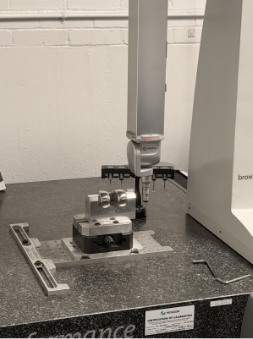 Robotics, automated inspection, and real-time production monitoring are becoming standard in medical manufacturing. These tools reduce variation between parts, catch defects earlier, and give manufacturers live data on how each process is running. When something drifts, the team knows right away instead of finding out at final inspection.
At Micron Solutions, we continue to invest in our manufacturing operations, including capital improvements supported by our MMAP grant. For our customers, that means more consistent output, tighter quality control, and better production efficiency across molding, machining, and assembly.
2. Growth of Precision Manufacturing and Micromolding
Minimally invasive instruments, wearable monitors, and drug delivery systems all depend on small, intricate components with very little room for error. Recent coverage in PlasticsToday points to drug delivery, orthopedics, and diagnostics as long-standing drivers of micro molding demand.
In injection molding contract manufacturing, making these parts well takes more than a precise machine. Tooling, material selection, and process control all have to be dialed in.
3. Increasing Demand for High-Mix, Low-Volume Manufacturing
Medical device companies are developing more specialized products, often in smaller quantities. A single orthopedic system can include dozens of implant sizes and instruments, and emerging technologies may only need short runs while a product is validated and introduced.
That calls for a manufacturer who can move between product designs efficiently and hold quality steady from one run to the next. If you’re in the early stages, our article on what orthopedic surgeons should understand before developing a device covers some of the decisions that shape production down the line.
4. Greater Emphasis on Integrated Manufacturing Solutions
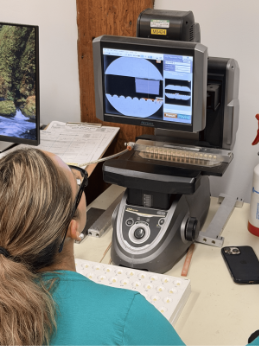 Every added supplier means another handoff, another quality agreement, and another point where a schedule can slip. Many OEMs are responding by consolidating, looking for partners who can handle injection molding, precision machining, assembly, and quality management in one place.
Micron is built for this. As a full service contract manufacturer, we offer engineering, mold making, injection molding, machining, and medical device assembly under one roof in Fitchburg, Massachusetts. For OEMs prioritizing US contract manufacturing, keeping these steps together shortens lead times and makes it easier to bring manufacturing input in early, which is why design for manufacturability plays such a big role in device development. An integrated approach is especially valuable for critical assemblies, where every component has to perform exactly as intended.
5. Stricter Quality Expectations and Advanced Process Validation
As devices grow more complex, expectations around traceability, process validation, and risk management keep rising. In February 2026, the FDA’s Quality Management System Regulation (QMSR) took effect, incorporating ISO 13485:2016 by reference into 21 CFR Part 820. For manufacturers and their suppliers, a well-documented quality system now carries even more weight.
Building for What Comes Next
These five trends point in the same direction: life sciences companies need a medical device contract manufacturer who can deliver precision, flexibility, and documented quality without adding complexity to their supply chain. As more OEMs weigh the pros and cons of offshore vs. U.S.-based manufacturing, that combination makes contract manufacturing in the USA an even stronger option.
At Micron Solutions, we work with medical device OEMs, orthopedic innovators, and drug delivery companies to take complex products from concept to production. Explore our services or reach out to our team, and let’s through your next project.